Types of Polystyrene Construction
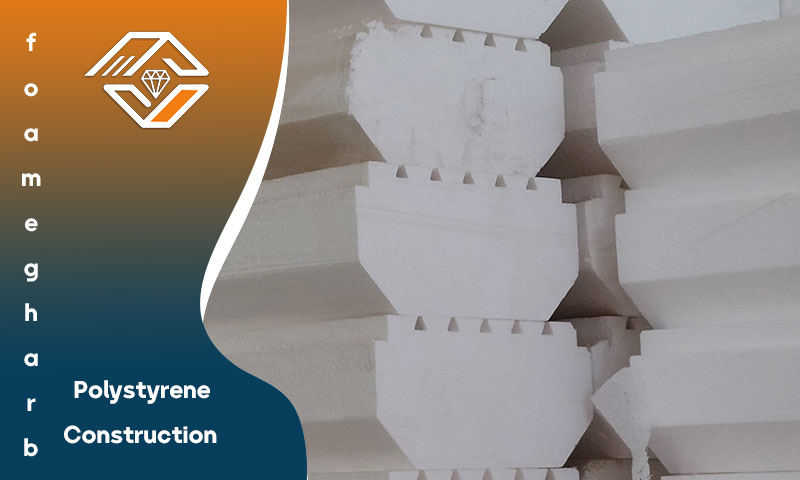

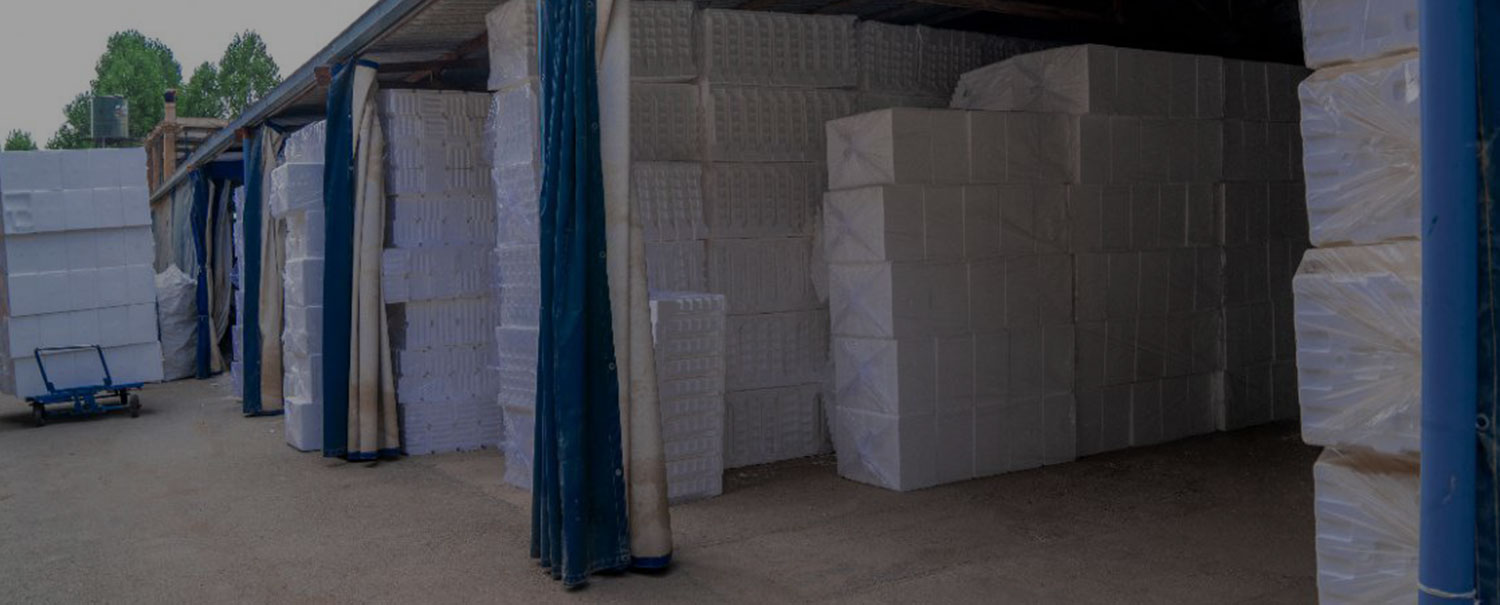

Manufacturer of Various Polystyrene Construction
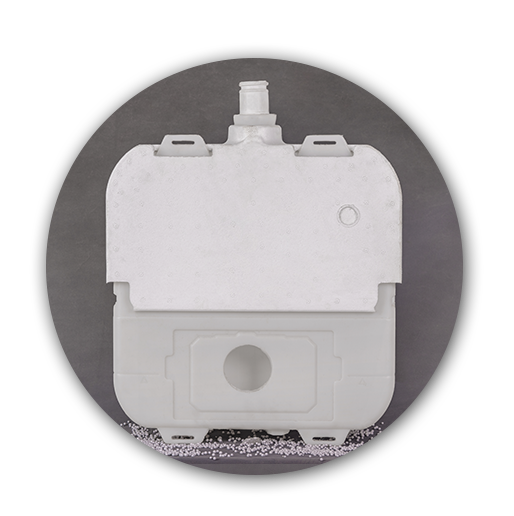
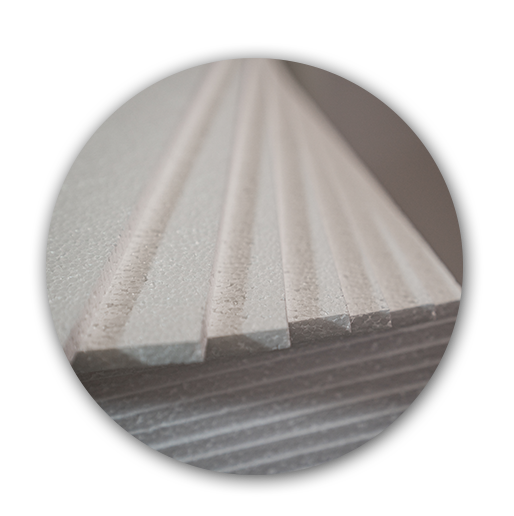

Place your order for various types of Polystyrene Construction , such as EPS roof panels, customized to your required specifications.
Iranian West Foam Development Company delivers your desired product in custom dimensions and sizes, offering the best price and highest quality in the shortest delivery time.
Construction EPS is one of the essential components in the building industry due to its unique physical and thermal properties. This material features a cellular structure filled with air, which provides outstanding insulation performance. Some of the main advantages and applications of EPS in construction include thermal and acoustic insulation, lightweight structure with appropriate strength, resistance to water and moisture, and suitability for use in high-rise buildings.
Construction EPS belongs to the family of insulation materials made primarily from polystyrene. It is produced as a self-expanding, closed-cell foam containing air. Due to its exceptional characteristics, EPS is widely used as both a thermal and sound insulator in the construction industry and many other applications.
Below are the most common types of Polystyrene Construction .
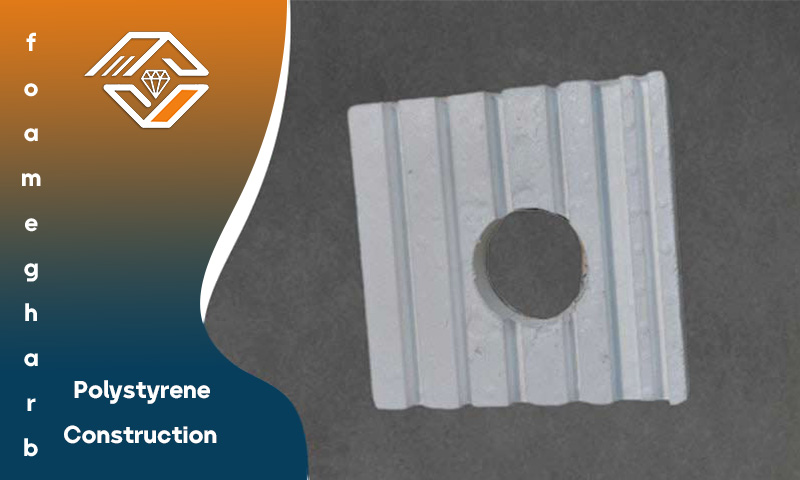
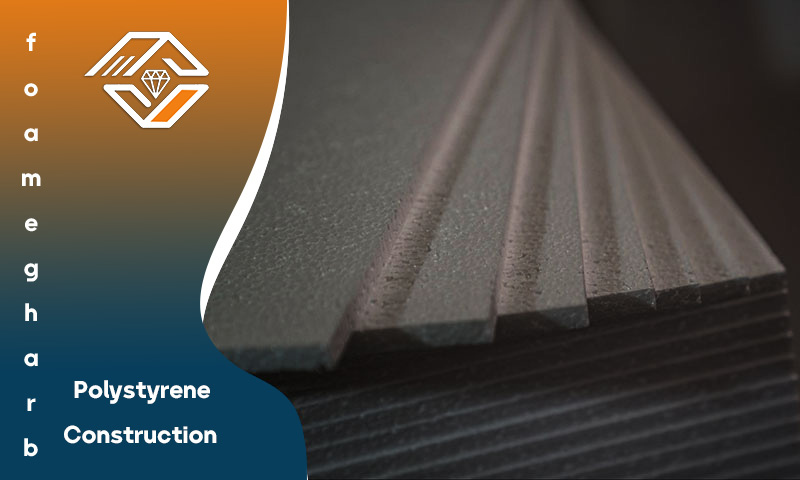
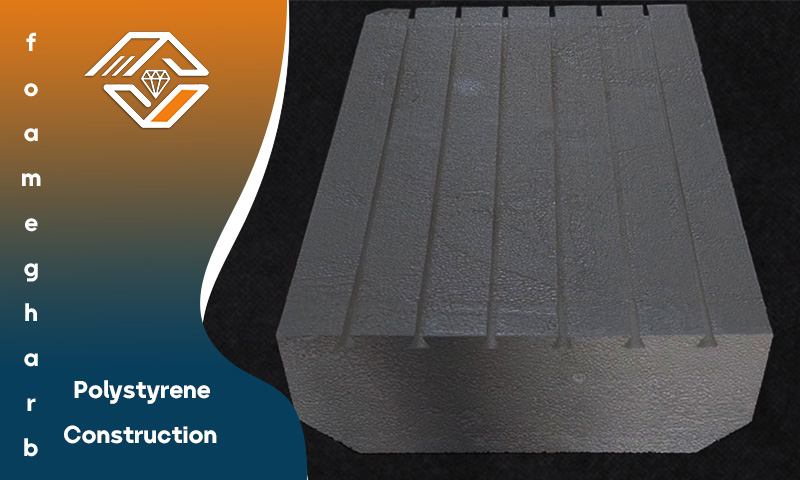
EPS roof blocks are products made from expanded polystyrene and are used to create lightweight, durable ceilings in buildings. Along with excellent insulation performance, these blocks are extremely light, enabling the construction of large spans with sufficient strength. They also offer good resistance to water and moisture, ensuring long-term stability and durability in structural systems.
Used in formwork for building foundations, as well as in some columns and concrete beams
Applied as thermal, moisture, and acoustic insulation inside and outside the building
Used to fill the space between joists in ceiling systems
Ideal for insulating sloped and flat roofs, as well as interior and exterior facades
Used for cold rooms and roof gardens
Insulation for double-layer walls
Insulation for floors and ceilings
Several factors influence the pricing of standard EPS roof panels, including production quality and the mechanical and visual properties of the product. Another important factor is how well the product meets customer requirements.
Since EPS roof panels are lighter and more cost-effective compared to many other construction materials, opting for high-quality, standard-grade EPS roof panels typically requires a higher investment.
Thermal and acoustic insulation: EPS acts as an excellent insulator to prevent heat transfer through expansion joints, enhancing energy efficiency and reducing heating and cooling costs.
Air infiltration prevention: Expansion joints filled with EPS prevent unwanted airflow into the building by creating an airtight insulating layer.
Water resistance: EPS offers notable resistance to water, preventing moisture penetration and protecting structural components—especially in humid regions.
Ease of installation: Due to its lightweight nature, easy cutting, and quick installation, EPS is highly practical for filling expansion joints and improves installation speed and efficiency.
Chromite Foam is a type of foam material made from chromite ore (FeCr₂O₄), widely known as a major source of chromium. This foam is produced by treating chromite granules using thermal and chemical processes.
Thermal insulation: Chromite foam is used as a high-performance thermal insulator in industrial and construction applications.
Construction materials: Due to its insulating properties and lightweight nature, chromite foam is used in flooring systems and interior/exterior wall construction.
Automotive industry: Its lightweight and durable characteristics make it suitable for components such as panels and structural automotive parts.
Aerospace industry: Chromite foam is used in aerospace applications requiring lightweight materials with exceptional thermal insulation, such as spacecraft components and insulation for high-temperature engine systems.
Exceptional thermal insulation
Lightweight structure
Resistance to moisture, impact, and environmental conditions
Iranian West Foam Development Company is an active manufacturer of various expanded polystyrene (EPS) products in Iran. With more than 25 years of experience, the company has successfully provided a wide range of practical and high-quality EPS solutions to its customers.
Chenaran Alley Iranian West Foam, Chaharbagh city, Karaj, Alborz Province, Iran

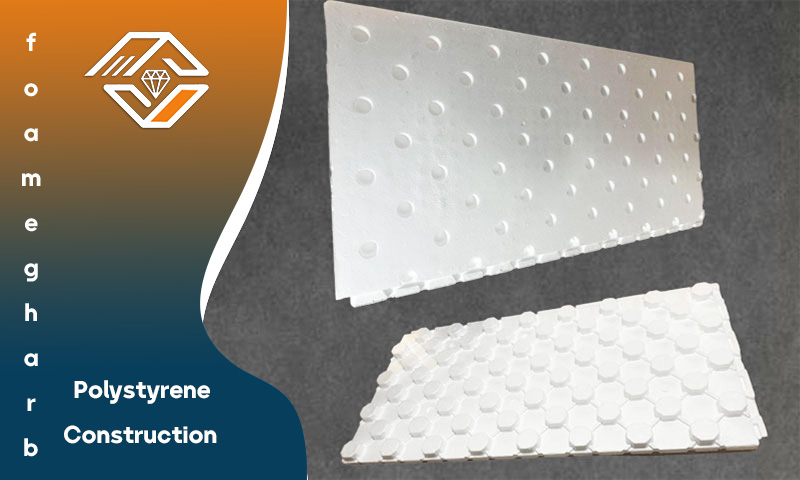
One of the most important applications of EPS in the construction industry is its use in underfloor heating systems. This modern and efficient method significantly improves comfort and energy efficiency in building heating systems. In this setup, EPS is used as a thermal insulation layer beneath the flooring. Thanks to its excellent insulation properties, EPS helps enhance system performance and reduce overall energy consumption.
Superior Thermal Insulation:
EPS provides outstanding insulation, reducing heat transfer from the floor to lower levels.
Reduced Energy Consumption:
Using EPS as an insulating layer decreases the energy required for heating, lowering overall energy costs.
Enhanced Comfort:
EPS-supported underfloor heating systems offer a high level of thermal comfort throughout indoor spaces.
Moisture Resistance:
EPS is highly resistant to moisture, helping prevent floor damage and extending the lifespan of the heating system.
EPS (expanded polystyrene) is widely used in construction due to its special structural properties. Made of lightweight, air-filled closed cells, EPS offers numerous advantages such as easy handling, excellent thermal and acoustic insulation, moisture resistance, and good strength-to-weight ratio. It is commonly used in roofs, walls, and flooring systems.
One of the key strengths of EPS is its excellent thermal insulation. It effectively reduces heat transfer, helping maintain indoor temperature and improving heating and cooling efficiency.
EPS also provides reliable sound insulation, reducing the transmission of external noise into the building and minimizing internal sound transfer.
EPS is lightweight, easy to cut, shape, and install, making it ideal for a wide range of construction applications.
EPS demonstrates good resistance to water and moisture, preventing structural deterioration and deformation in humid environments.
Many types of EPS are recyclable, contributing to environmental sustainability and reducing construction waste.
EPS is widely used in the construction industry as thermal insulation for walls, floors, ceilings, and roofs. Beyond construction, it is also used in the automotive industry, aerospace applications, and many other sectors as a lightweight, durable insulating material.

