What is EPS Used For?
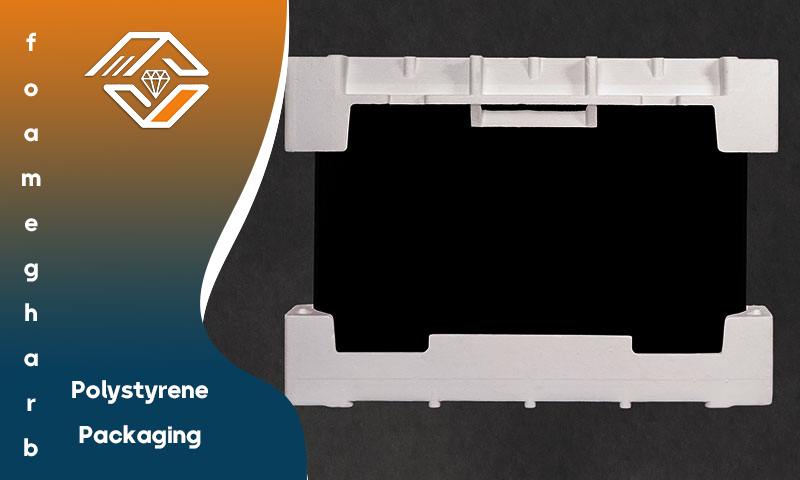
The main application of EPS (Expanded Polystyrene) is protection.
EPS is a lightweight, durable, and thermal-insulating material, making it an ideal solution for packaging products of various sizes.
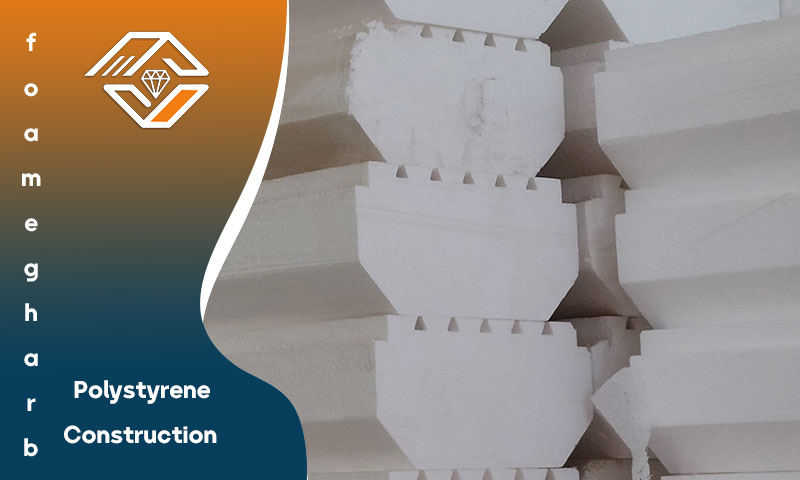
It is also widely used in construction, where EPS sheets or blocks help reduce the overall weight of structures while providing excellent insulation.
EPS Coolers
EPS coolers (foam iceboxes) are one of the most important products made from EPS.
The internal temperature of the cooler rises slowly, making it ideal for exporting broccoli, certain vegetables, temperature-sensitive medicines, and more.
They are also very effective for personal use when combined with dry ice, and are perfect for transporting meat, food, and beverages while keeping them cool.
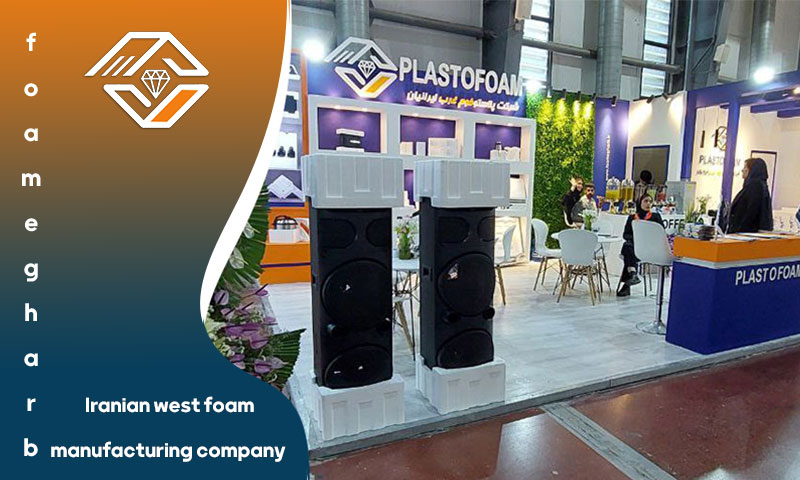
EPS coolers are considered a type of packaging product, and Iranian West Foam Development Company is one of the largest manufacturers of these in Iran.
These high-density EPS boxes are particularly suitable for transporting temperature-sensitive medicines.
Sellers can order these coolers in any size and any quantity according to their needs.
EPS Production
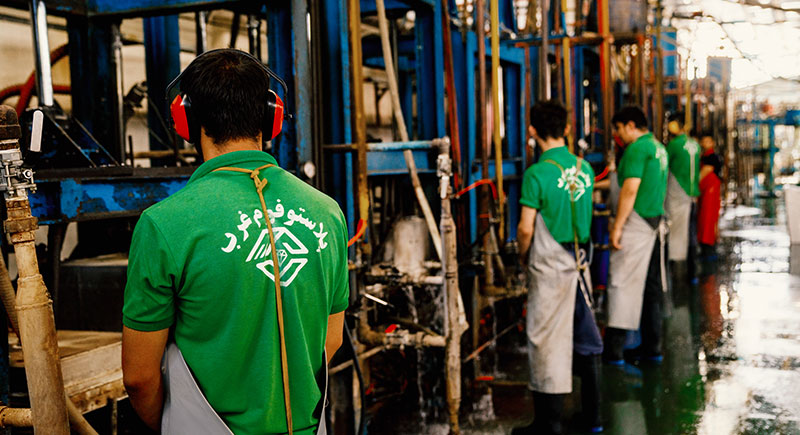
The production of EPS starts with heating raw materials to convert them into EPS granules.
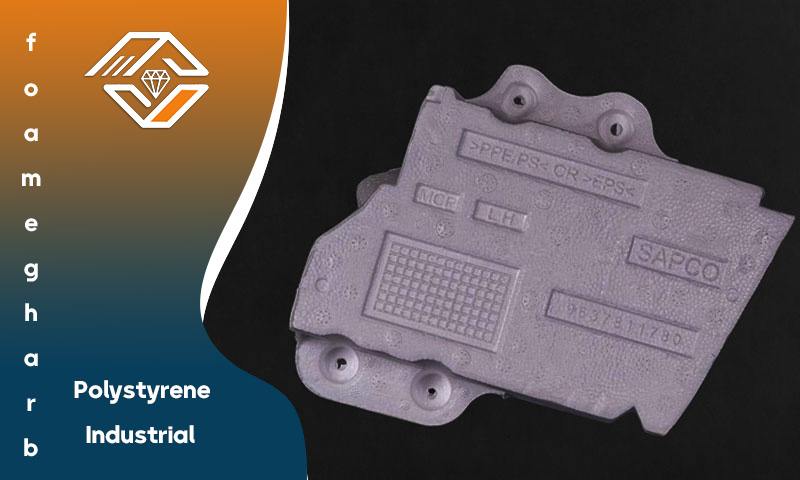
Depending on the intended application, these granules are injected into molds, where heat, pressure, and air shape them into the desired EPS product.
Next, the formed EPS products are removed from the molds using cold water and air.
Finally, the products are placed into industrial drying units according to their intended use.
EPS Mold Production
EPS molds are created based on technical drawings provided by the client, which include all product details.
A prototype is first made in CATIA software for evaluation. If the prototype matches the product specifications, an aluminum mold is manufactured.
The mold, operated either automatically or manually, produces the final EPS product in the desired quantity.
If software drawings cannot be provided by the client, 2D paper drawings or a physical product sample can be sent to the factory.
The mold-making team prepares the mold based on the product details, produces the prototype, and after client approval, the EPS product is manufactured.
EPS Machines
There are two types of EPS machines:
-
Automatic Press Machine
-
Manual Press Machine
Iranian West Foam has both types, allowing the production of custom EPS products in any quantity.
-
Automatic machines are used for large production volumes, as mold-making costs are higher.
-
Manual press machines are operated by a skilled operator who controls water pressure, material injection, and processing time to produce the final EPS product.
-
Manual presses are typically used for small production runs.
Ordering EPS Across Iran
With over 25 years of experience, Iranian West Foam Development Company enables clients from all over Iran to order any type of EPS product in any quantity.